
How to Avoid the Parcel OTP Scam: A Comprehensive Guide to Protecting Your Personal Data
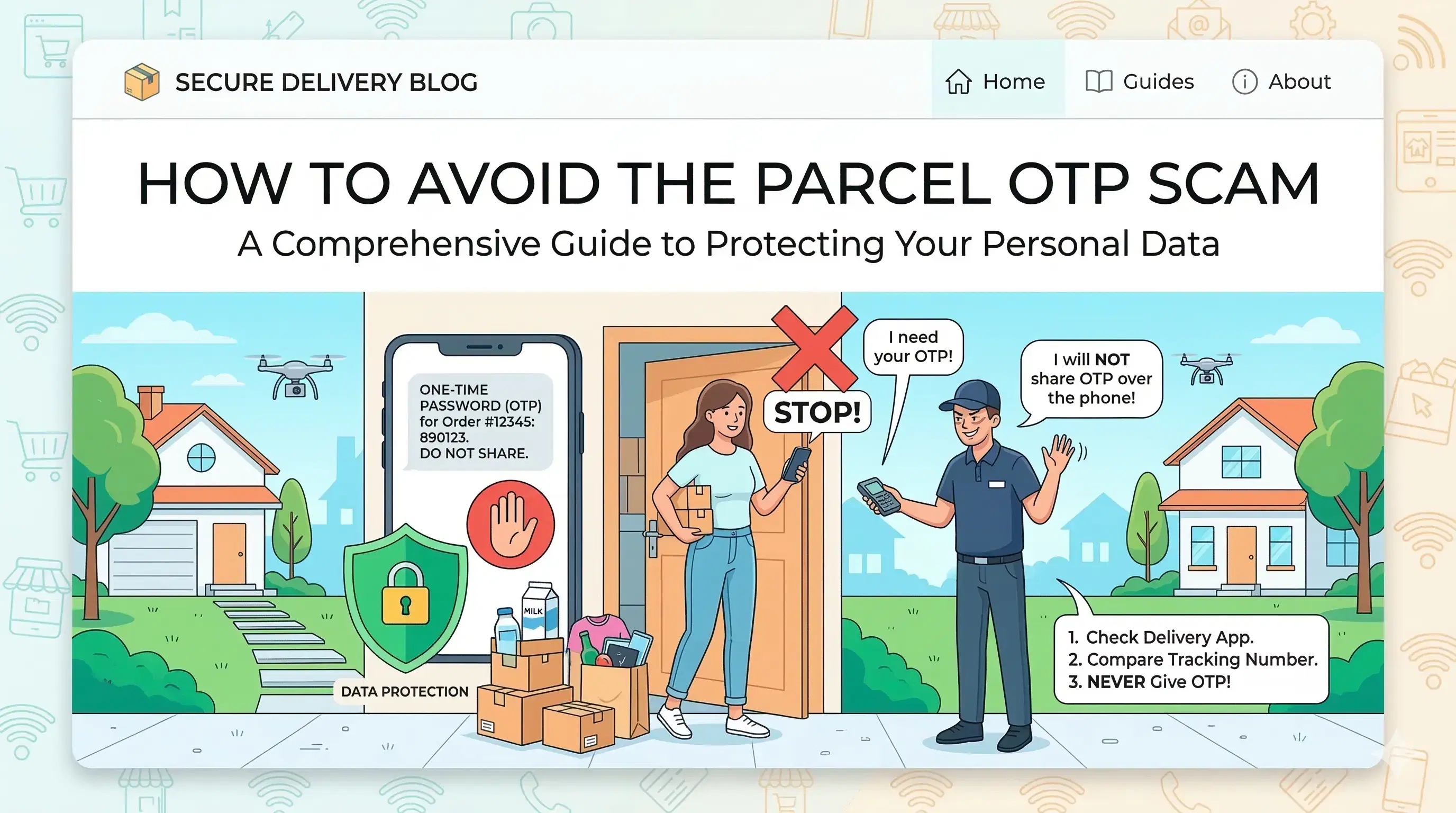
How to Avoid the Parcel OTP Scam: A Comprehensive Guide to Protecting Your Personal Data
1. Introduction
The Parcel OTP scam is a sophisticated cyber fraud tactic where criminals impersonate delivery personnel to gain unauthorized device access via One-Time Passwords. As online shopping scams surge — driven by frequent orders for milk packets, clothes, groceries, and electronics — this method has become a primary vehicle for financial theft.
2. What is a Parcel OTP Scam?
Definition: The Parcel OTP scam is a fraudulent scheme targeting individuals who have not placed online orders. Criminals claim a package was "mistakenly booked" to the victim's address and insist that a provided OTP is required to successfully "cancel" the delivery, ultimately aiming to breach the victim's digital security.
3. How the Parcel OTP Scam Works: A Step-by-Step Breakdown
The Telangana police warning outlines a specific sequence of events used by fraudsters to compromise unsuspecting citizens:
- The Initial Contact: The scam begins either with a phishing link sent via SMS or a physical visit to your home by a person posing as a delivery operative.
- The Deception: The fraudster claims to have a parcel for you. When you clarify that no such order was placed, they suggest it was "mistakenly booked" to your address and must be canceled to avoid charges.
- The Trap: To "rectify" the error, the scammer asks you to share an OTP sent to your phone. In many instances, they will ask to physically handle your mobile phone to "check" the message. This physical access is critical for them — it allows for the installation of screen-mirroring apps or the manual reset of your banking credentials.
- The Breach: Once the OTP security is bypassed or the phone is handed over, fraudsters gain immediate access to banking applications, private photos, and videos stored on the device.
- The Escalation: In a dangerous transition to "digital arrest" tactics, criminals may escalate the threat by claiming the parcel contains drugs or explosive substances. This high-pressure extortion method was used to cheat an 81-year-old victim of ₹7.12 crore after he was threatened with legal consequences.
4. The Hidden Dangers: What Happens if You Share Your OTP?
Relinquishing a security code or giving a stranger physical access to your device can lead to devastating consequences:
- Unauthorized access to banking applications: Fraudsters can drain your entire savings once they bypass two-factor authentication.
- Exposure of private photos and videos: Sensitive media can be harvested for the purpose of harassment or further blackmail.
- High-value financial extortion: Victims are often coerced into paying massive sums (as seen in the ₹7.12 crore case) to avoid manufactured "legal trouble" involving illegal parcel contents.
5. Critical Warning Signs of a Delivery Scam
Identify these red flags to shield yourself from cyber fraud:
- Unsolicited Deliveries: A delivery person arrives with items like clothes or household goods you never ordered.
- Requests for OTPs to "Cancel": Legitimate logistics companies never require a secret security code to refuse or reject a package.
- Device Handover Requests: The individual asks to hold or "check" your mobile phone for any reason.
- Threats of Legal Action: Immediate claims that a package contains illegal items and that you must pay to avoid arrest or investigation.
6. Protective Measures: How to Secure Your Device
Implement these cybersecurity tips to defend your personal and financial data:
- Never share an OTP with a stranger: Regardless of how legitimate the "cancellation" reason sounds, an OTP is a private security key.
- Never hand over your phone to delivery personnel: Physical access allows scammers to bypass multiple security layers in seconds.
- Treat any unsolicited delivery as a potential fraud attempt: If you didn't order it, do not engage with the delivery person or follow any "cancellation" protocols they suggest.
7. What to Do If You Are Targeted (Reporting Guide)
Knowing how to report cyber crime is your most effective defense. If you encounter a suspected scam, take these steps immediately:
- Call the Cyber Crime Helpline: Dial 1930 immediately to report the incident to authorities.
- File an Online Complaint: Visit the official government portal at https://www.cybercrime.gov.in.
- Notify the Cyber Security Bureau: Providing detailed information helps the Bureau investigate and dismantle these fraud networks.
8. Frequently Asked Questions
Can a delivery person ask for an OTP to cancel an order?
No. Legitimate delivery services and e-commerce platforms do not require a secret OTP from a recipient to refuse or reject a package that was never ordered.
How do scammers get access to my bank account through an OTP?
The OTP serves as the final validation for banking app registration or transaction authorization. By providing the code, you are granting the fraudster full access to move funds or reset your account credentials.
What should I do if a delivery person claims my parcel has illegal items?
Do not be intimidated and do not pay any money. This is a common extortion tactic. Disengage immediately, close your door, and contact the cyber crime helpline at 1930.
9. Conclusion
Vigilance is your strongest armor in the digital age. As scammers refine their tactics to exploit our reliance on online services, staying informed is non-negotiable for protecting your financial and personal data. Please share this guide urgently with elderly family members and friends, as they are frequently the primary targets for high-value extortion schemes involving threats of "illegal" parcels.