
How to Avoid the Parcel OTP Scam: A Comprehensive Guide to Protecting Your Personal Data
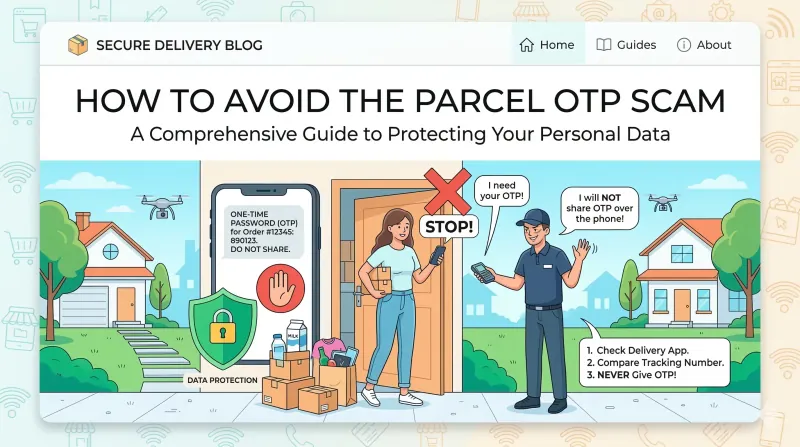
The Parcel OTP Scam is a growing cyber fraud tactic in which scammers impersonate delivery personnel and trick victims into sharing One-Time Passwords (OTPs) or handing over access to their mobile devices. As online shopping becomes increasingly common, fraudsters are exploiting people's familiarity with deliveries to gain access to banking applications, personal information, and financial accounts.
1. Introduction
Online shopping has become part of everyday life, with frequent deliveries of groceries, clothing, electronics, and household essentials. Cybercriminals are taking advantage of this behavior through parcel-related scams that use fake delivery notifications and fraudulent cancellation requests. These scams are designed to bypass security measures and gain unauthorized access to personal and financial information.
2. What is a Parcel OTP Scam?
A Parcel OTP Scam is a fraudulent scheme in which scammers claim that a package has been mistakenly booked to your address. They then convince victims that an OTP is required to cancel the delivery or avoid charges. In reality, the OTP is being used to authorize account access, banking transactions, or device registration, allowing criminals to compromise the victim's digital security.
3. How the Parcel OTP Scam Works: A Step-by-Step Breakdown
The scam typically follows a structured sequence designed to build trust before compromising the victim's device or financial accounts.
The Initial Contact: Victims receive a suspicious SMS or are approached by someone posing as a delivery agent.
The Deception: The scammer claims a parcel has been mistakenly booked to the victim's address and must be canceled.
The Trap: The victim is asked to share an OTP or hand over their phone to "verify" the cancellation process.
The Breach: The fraudster gains access to banking apps, private information, or device settings.
The Escalation: In some cases, scammers claim the parcel contains illegal items and pressure victims into paying money to avoid legal consequences.
4. The Hidden Dangers: What Happens if You Share Your OTP?
Sharing an OTP or giving a stranger temporary access to your phone can have serious consequences. Once scammers bypass security protections, they may gain control of financial accounts, access personal information, and use intimidation tactics to extort additional money.
Unauthorized Access to Banking Applications: Fraudsters may transfer money or reset account credentials.
Exposure of Private Photos and Videos: Personal files can be copied, misused, or used for blackmail.
Financial Extortion: Victims may be pressured into paying large sums of money under false legal threats.
5. Critical Warning Signs of a Delivery Scam
Recognizing warning signs early is one of the best ways to avoid becoming a victim.
Unsolicited Deliveries: A parcel arrives even though you never placed an order.
Requests for OTPs: Someone asks for a security code to cancel, reject, or verify a delivery.
Requests to Handle Your Device: A delivery person asks to check messages or use your phone.
Threats of Legal Action: Claims that a parcel contains illegal items or that immediate payment is required.
6. Protective Measures: How to Secure Your Device
Adopting strong security habits can significantly reduce the risk of parcel-related fraud.
Never Share OTPs: Treat OTPs as confidential security credentials.
Never Hand Over Your Phone: Delivery personnel and strangers should never need physical access to your device.
Verify Unexpected Deliveries: If you did not order the item, do not engage with unofficial cancellation procedures.
Stay Calm Under Pressure: Scammers rely on fear and urgency to manipulate victims.
Use Official Channels: Contact the delivery company directly through verified contact information if you have concerns.
7. What to Do If You Are Targeted (Reporting Guide)
If you suspect you have been targeted by a parcel scam, act quickly to minimize potential damage.
Call the Cyber Crime Helpline: Dial 1930 immediately and report the incident.
File an Online Complaint: Submit a report through the official cybercrime reporting portal.
Notify Relevant Authorities: Share all available details, including phone numbers, messages, and transaction information.
Contact Your Bank: If financial information was exposed, notify your bank immediately to secure your accounts.
8. Frequently Asked Questions
Can a delivery person ask for an OTP to cancel an order?
No. Legitimate delivery services do not require recipients to share OTPs to cancel or reject packages they never ordered.
How do scammers get access to my bank account through an OTP?
An OTP is often the final security step required to authorize transactions, register devices, or reset credentials. Sharing it can provide fraudsters with direct access to your accounts.
What should I do if a delivery person claims my parcel has illegal items?
Do not pay any money and do not engage further. This is a common intimidation tactic used by scammers. End the interaction and report the incident to the cybercrime helpline.
9. Conclusion
Parcel OTP scams are successful because they exploit trust, routine behavior, and a sense of urgency. By understanding how these scams operate, recognizing warning signs, and refusing to share OTPs or hand over your phone, you can significantly reduce your risk of becoming a victim. Staying informed and alert remains the most effective defense against evolving cyber threats.
Key Takeaway: No legitimate delivery company will ever require your OTP or physical access to your phone to cancel a package. Treat every such request as a potential scam.