
Renting Your LinkedIn Account? The Bizarre New Scam Targeting Professionals
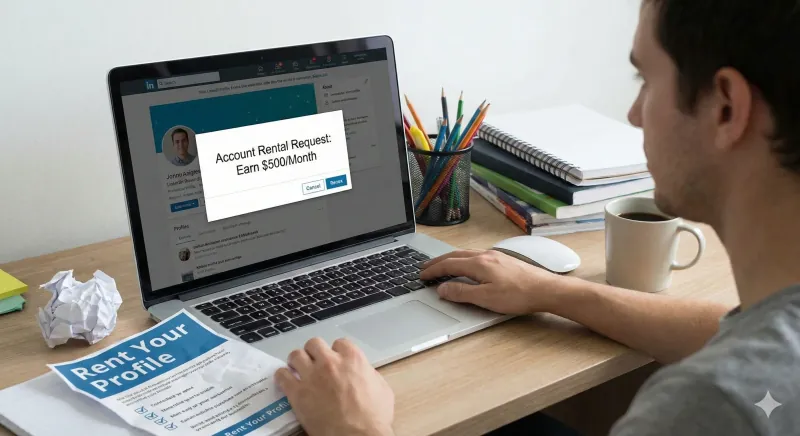
LinkedIn has long been the gold standard for professional networking and online identity. However, a recent viral story from Bengaluru-based professional Nikhita Anil has exposed a strange new scam in which fraudsters offer money in exchange for access to a person's LinkedIn account. While the offer may initially sound harmless or even absurd, the risks associated with handing over control of your professional identity can be severe.
Introduction: The Unsettling Offer
LinkedIn represents far more than just a social media profile. It is a digital extension of your professional reputation. Nikhita Anil, a Senior Brand Marketing Manager from Bengaluru, shared a bizarre experience after being approached with an offer to "rent" her LinkedIn account. The unusual request immediately raised concerns and sparked discussion about whether this could be a growing form of online fraud targeting professionals.
Takeaway 1: It Starts with a Bizarre Proposition
Have You Ever Heard of Renting Your LinkedIn Account?
Nikhita Anil described being approached with an offer to provide access to her LinkedIn account in exchange for money. The proposal was so unusual that she questioned whether it was part of a larger scam. In a now-viral post, she humorously compared renting a LinkedIn account to renting apartments, highlighting just how absurd the request sounded.
"Most of you, all urban working corporate slaves like me must be living in rented apartments. And some of you lucky ones with generational wealth are probably renting out your apartments. But, have you ever heard of renting out your LinkedIn account?"
Takeaway 2: The Red Flags Are in the Details
The Anatomy of the Scam: How It Works
The screenshots shared by Nikhita revealed several classic warning signs commonly seen in social engineering scams. The scammer claimed that a friend's company needed LinkedIn accounts to expand its market presence, a vague explanation that could not be independently verified. To make the offer appear attractive, the scammer promised weekly payments along with an upfront deposit. However, the most concerning aspect was the request for full account credentials and restrictions preventing the account owner from changing settings during the rental period.
Vague Justification: Claims such as "my friend's company needs LinkedIn accounts" without any verifiable details.
Monetary Incentive: Small but tempting payments designed to lower suspicion.
Request for Login Credentials: A major red flag, as legitimate organizations never require your password.
Restrictive Conditions, Preventing users from changing account settings while someone else controls the account.
Takeaway 3: The Unknown Danger
What Do They Do With Your Account? The Real Risk.
The greatest danger lies in not knowing how the account will be used. Once scammers gain access, they effectively take control of your professional identity. They can contact trusted connections, distribute phishing links, send fraudulent messages, promote fake job opportunities, or engage in other malicious activities while appearing to be you. The damage can extend beyond financial loss and seriously harm your professional reputation.
"What do they actually do with your account? That's something you'll either find out later or maybe never."
Takeaway 4: LinkedIn Is Fighting Back
LinkedIn's Official Stance on Rising Scams
As scams become increasingly sophisticated, LinkedIn has emphasized its commitment to user safety. The platform uses technology and dedicated security teams to proactively detect and remove fraudulent activity before it reaches members. LinkedIn also encourages users to report suspicious messages and interactions so that investigations can be conducted quickly.
"Right across the internet, scams and fraud are becoming increasingly sophisticated. As the world's largest professional networking platform, we use technology and teams of experts to find and remove them with 99.7% stopped proactively before a member reports."
Takeaway 5: Five Steps to Secure Your Account Today
Your Action Plan: 5 Tools to Protect Yourself
Protecting your LinkedIn account requires a proactive approach. Fortunately, LinkedIn provides several security features that can significantly reduce the risk of account compromise and fraudulent interactions.
Look for Verification: Verify recruiters, companies, and job postings before engaging.
Enable Message Warnings: Turn on LinkedIn's detection tools that identify suspicious messages and phishing attempts.
Filter Your Job Search: Focus on jobs posted by verified companies and recruiters.
Use a Passkey: Replace passwords with biometric authentication such as fingerprint or facial recognition.
Activate Two-Step Verification: Add an additional layer of protection by requiring a verification code during login.
Conclusion: Stay Vigilant in the Professional World
This unusual LinkedIn account rental scam highlights how cybercriminals continue to invent new ways of exploiting trust. While the offer may appear harmless or even amusing at first, giving someone access to your professional profile can have serious consequences. By recognizing the warning signs, protecting your credentials, and using LinkedIn's built-in security features, professionals can significantly reduce their risk of becoming victims of evolving online scams. The safest approach is simple: never share your account credentials with anyone, regardless of the offer being made.