
Warning: This LinkedIn Job Scam Looks So Real, It Fooled a Career Coach
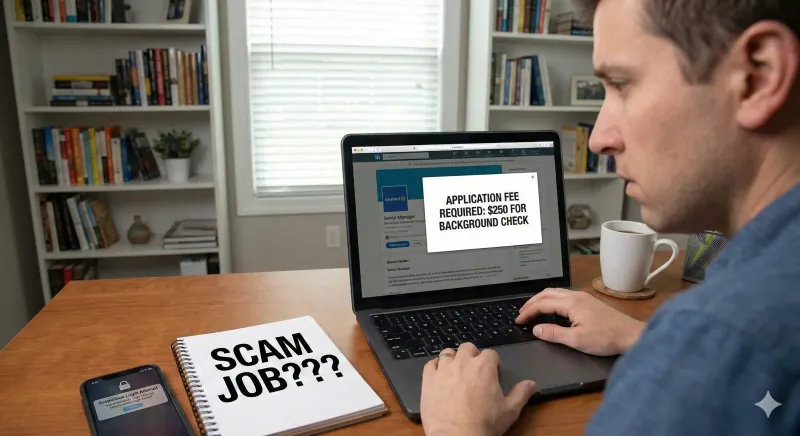
Navigating today's competitive job market is challenging enough without having to worry about fraud. As hiring moves increasingly online, sophisticated scams are becoming harder to spot, preying on the hopes of eager applicants. In a viral Instagram reel, job hunt coach Vini shared her own recent brush with one of these schemes. After hours of preparation for what she thought was a legitimate role, she found herself on the receiving end of a scam. This article breaks down the subtle red flags she discovered and provides practical guidance to help job seekers stay safe.
1.0 Introduction: The High-Stakes World of Online Job Hunting
Navigating today's competitive job market is challenging enough without having to worry about fraud. As hiring moves increasingly online, sophisticated scams are becoming harder to spot and are increasingly targeting students and professionals. Vini's experience serves as a reminder that even experienced individuals can be deceived by well-crafted recruitment scams.
2.0 Takeaway 1: The Scam's Greatest Weapon is Legitimacy
The most dangerous aspect of this scam is how professional it appears. Vini first applied for a role on LinkedIn that looked completely legitimate. Soon afterward, she received a formal email scheduling an interview and providing what appeared to be a genuine interview link. Believing the opportunity was real, she spent hours preparing. This professional appearance is what makes such scams effective because they closely mimic every step of a real recruitment process while costing applicants valuable time and emotional energy.
3.0 Takeaway 2: Your Device Can Be Your First Line of Defense
The first major clue appeared in the form of a technical issue. The interview link worked on Android and Windows devices but failed to open on an iPhone and Mac. While some may assume this reflects stronger Apple security, the more likely explanation is that the scam was designed specifically for Windows systems. Device-restricted behavior is a significant red flag because legitimate employers typically use cross-platform solutions that allow candidates to join interviews regardless of their operating system.
4.0 Takeaway 3: Real Recruiters Don't Ask You to Disable Your Security
The clearest warning sign appeared when the interview link prompted Vini to disable her VPN. Legitimate recruiters and companies will never ask candidates to compromise their security settings in order to participate in an interview. Such requests can expose users to malware, credential theft, and other cyber threats. This was the moment Vini realized something was seriously wrong.
"That's when it hit me — I had been scammed."
5.0 Takeaway 4: Always Verify the Source
The final confirmation came when Vini examined the sender's email address and discovered that the domain did not match the company's official website. This highlights the importance of independently verifying recruiter identities and company information. Other job seekers have reported avoiding similar scams by directly contacting companies through official channels and confirming whether the recruiter or job posting was genuine. Taking a few extra minutes to verify information can prevent hours of frustration and potential financial loss.
6.0 Conclusion: Trust Your Gut and Stay Vigilant
With so much hiring now done online, staying alert is your best defence against fraud. As Vini's experience demonstrates, scammers are creating increasingly sophisticated schemes that appear legitimate at every stage. Pay close attention to technical inconsistencies, question unusual requests, and independently verify recruiter information whenever possible. Most importantly, trust your instincts. If something feels suspicious, it is worth investigating before proceeding.
7.0 Frequently Asked Questions (FAQ)
What are the main red flags of a LinkedIn job scam?
Interview links that only work on specific devices or operating systems.
Requests to disable security features such as VPNs.
Suspicious email domains that do not match the company's official website.
Will a legitimate recruiter ask you to turn off your VPN?
No. Legitimate recruiters and employers will never ask candidates to disable security protections such as VPNs in order to participate in an interview. Such requests should be treated as a major warning sign.
What is the best way to verify a job opportunity is real?
The best approach is to verify the opportunity through official company channels. Contact the company directly using information from its official website, verify recruiter profiles on LinkedIn, and ensure that email addresses and job postings match the organization's legitimate communications.